Navigate with Security: A Guide to Marine Insurance
India, a nation with a rich maritime history and a thriving international trade sector, relies heavily on safe and secure sea transportation. Marine insurance plays a crucial role in safeguarding businesses and individuals involved in maritime activities from financial losses arising from unforeseen events.
What is Marine Insurance?
Marine insurance is a specialized insurance product that protects against risks associated with the transportation of goods, ships, and terminals by sea. It offers financial coverage for various perils, including:
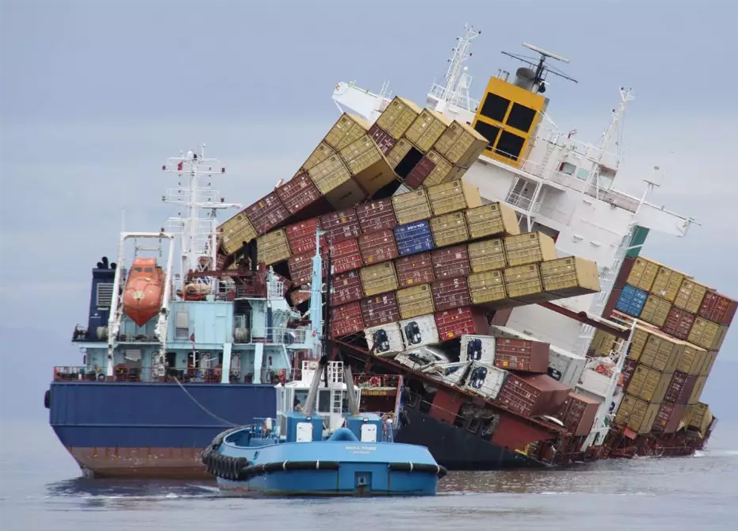
- Physical damage: Damage to ships, cargo, or terminals caused by accidents, collisions, stranding, or grounding.
- Loss of cargo: Loss of cargo due to piracy, theft, jettison (throwing cargo overboard), or natural disasters.
- Liability: Legal liability arising from damage to other vessels or property during maritime operations.
Benefits of Marine Insurance :
- Financial Protection: Marine insurance safeguards businesses and individuals from the financial burden of losses related to cargo damage, shipwrecks, or other maritime incidents.
- Peace of Mind: Knowing you have marine insurance allows businesses to focus on their core operations without worrying about potential financial losses.
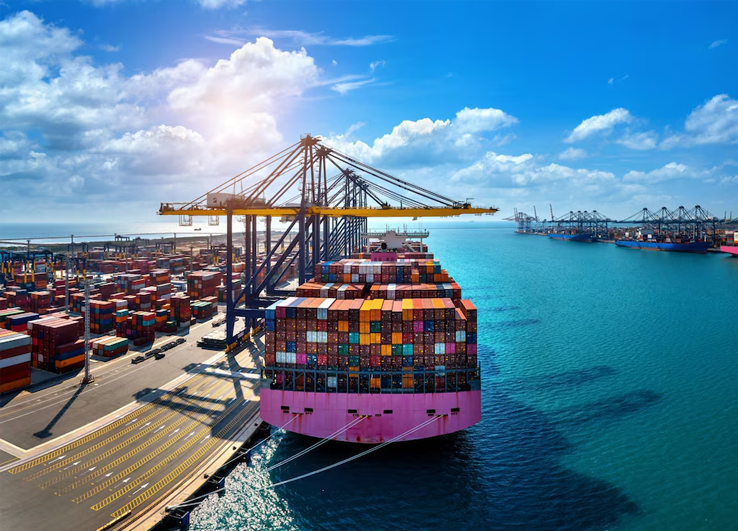
- Facilitates Trade: Marine insurance plays a vital role in facilitating international trade by providing a safety net for importers, exporters, and shipping companies.
- Compliance: Many shipping contracts mandate marine insurance coverage for cargo transportation.
Types of Marine Insurance :
- Hull and Machinery Insurance: This plan covers the physical damage to the ship's hull, machinery, and equipment.
- Cargo Insurance: This plan covers the loss or damage to cargo during transportation by sea.
- Institute Cargo Clauses (ICC): These are standardized clauses defining coverage and exclusions for cargo insurance.
- Loss of Hire Insurance: This plan covers the loss of income for a ship owner if it's unable to operate due to a covered peril.
- Protection and Indemnity (P&I) Insurance: This plan covers the ship owner's legal liability for third-party injuries, property damage, and pollution arising from maritime operations.
Choosing the Right Marine Insurance Plan :
- Type of cargo: The type of cargo being transported (e.g., perishable goods, electronics) will influence the coverage needed.
- Voyage details: The length and route of the voyage can impact the risks involved and influence premium costs.
- Value of cargo and vessel: The sum insured should reflect the value of the cargo or vessel to ensure adequate coverage.
- Coverage needs: Analyze your specific risks and choose a plan with appropriate coverage for hull, machinery, cargo, and potential liabilities.
- Reputation of insurer: Opt for a reputable marine insurance company with a strong track record of settling claims efficiently.
Additional Tips for Marine Insurance :
- Consult a Marine Insurance Broker: A broker can help you navigate the complexities of marine insurance and secure the best coverage for your needs.
- Declare all details accurately: Provide accurate information about the cargo, voyage, and value to avoid claim rejections.
- Review your policy regularly: As your business or shipping needs evolve, review your policy periodically to ensure it remains adequate.
Conclusion:
Marine insurance is an essential tool for navigating the risks associated with maritime activities. By choosing the right plan and understanding its benefits, businesses, and individuals can ensure the smooth and secure transportation of goods across the seas. Secure your cargo and vessel today with a comprehensive marine insurance policy.